About Us
About Us
Our Philosophy
Rewriting the Standard of Education
At Cheers International Academy we believe education is more than passing examinations, earning good grades, or memorising what is taught in the classroom. Education should shape the whole child.
Our philosophy is built on three fundamental dimensions:
Knowledge. Character. Attitude.
We believe every child should leave school not only knowing more, but becoming better and being prepared to thrive in an ever-evolving world.
Knowledge — Learning to Know, Think and Do
We develop learners who understand rather than simply memorise. Through purposeful teaching, questioning, exploration, creativity, projects and real-life application, our learners are encouraged to think critically, communicate confidently, solve problems and apply what they learn.
Character — Becoming the Right Person*
We believe academic excellence without good character is incomplete. We intentionally nurture integrity, responsibility, empathy, respect, honesty, self-discipline, resilience and service. We want our learners to understand that who they become is just as important as what they achieve.
Attitude — Learning How to Approach Life
A child’s attitude influences how they respond to learning, people, challenges, opportunities, success and failure. We cultivate curiosity, confidence, perseverance, initiative, adaptability and a growth mindset so that our learners are willing to try, learn from mistakes and keep improving.
Beyond the Classroom
At Cheers, education must prepare children for life, not examinations alone. That is why Leadership and Life Skills are intentionally woven into the learning experience. Our learners are given opportunities to lead, speak publicly, collaborate, make decisions, manage responsibilities, solve real-life problems, serve their communities and develop practical skills for the future. We want every Cheers learner to grow into a young person who can: Think independently. Communicate confidently. Act responsibly. Lead courageously. Serve others. Solve problems. Create value. And continue learning throughout life.
The Cheers Learner
We do not measure our success only by asking:
“What does this child know?”
We rather ask:
1. “Who is this child becoming?”
2. “What attitude does this child demonstrate?”
3. “Can this child apply what they have learned?”
4. “Is this child becoming prepared for life?”
This is the heart of a Cheers education.
● We teach for knowledge.
● We develop character.
● We shape attitude.
● We cultivate leadership.
● We build life skills.
Goals
Because our goal is not simply to produce pupils who can pass examinations.
Our goal is to raise capable, confident, responsible and future-ready learners who have the knowledge to succeed, the character to make a difference, and the attitude to thrive.
Cheers International Academy
Rewriting the Standard of Education in Knowledge, Character & Attitude.
Hub of Creativity — Catalyst for Growth.
Creative Hub
Our Story
The 4 Pillars of Learning
All lessons are intentionally developed with one or more pillars.
Pillar 1
Knowledge
Academic curriculum.
Pillar 2
Character
Values and ethics.
Pillar 3
Leadership
Self and community leadership.
Pillar 4
Life Skills
Practical readiness for life.
Learning Designed Around Every Stage of Childhood
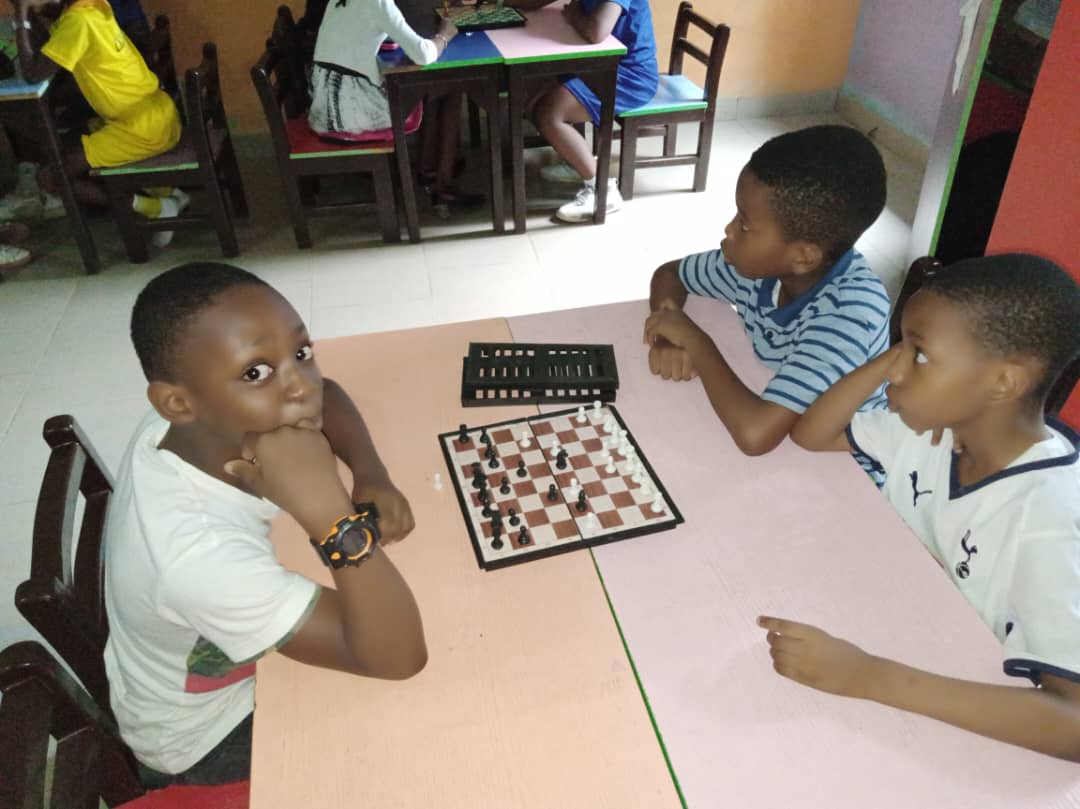
Our teachers use discussions, demonstrations, practical activities, projects, group work and interactive exercises to make lessons meaningful.
- Academic excellence
- Confidence and self-expression
- Creativity and innovation
- Communication skills